The clocks have gone back, the heating is going up and our days are getting shorter. It’s time to give the sunshine vitamin some attention.
Once the darker evenings arrive, we’re quick to reach for warmer coats and turn up the thermostat. But there’s another seasonal habit worth remembering: taking our vitamin D.
Known as the sunshine vitamin, vitamin D is produced when our skin is exposed to sunlight. During autumn and winter in the UK, however, there is not enough sunlight for most people to make the vitamin D they need.
And research linking severe vitamin D deficiency with a higher rate of hospitalisation for respiratory infections offers another reason to pay attention to our levels this winter.
What the research found
A major study led by the University of Surrey analysed NHS data from 36,258 UK Biobank participants. Those with severe vitamin D deficiency had a 33 per cent higher rate of hospitalisation with respiratory tract infections, including bronchitis and pneumonia, compared with those who had sufficient levels.
Researchers also found that for every 10nmol/L increase in vitamin D levels, the rate of hospitalisation with a respiratory tract infection was 4 per cent lower.
The distinction is important: the study found an association. It did not prove that vitamin D deficiency causes respiratory infections or that taking a supplement prevents hospitalisation.
Aimee Benbow, Head Nutritionist at Viridian Nutrition, says: ‘A 33 per cent higher rate of hospitalisation is a significant finding, particularly when vitamin D deficiency remains so common in the UK.
‘Respiratory infections such as bronchitis and pneumonia can be extremely serious, especially for older people. Although this study shows an association rather than cause and effect, it adds to the growing evidence around the importance of vitamin D status and immune health.
‘With almost one in four teenagers and nearly one in five adults aged 19 to 64 having low vitamin D levels, this is something we need to take seriously.’
Could you be running low?
Low vitamin D levels are more common than many of us might expect. National Diet and Nutrition Survey figures show that low vitamin D status affects:
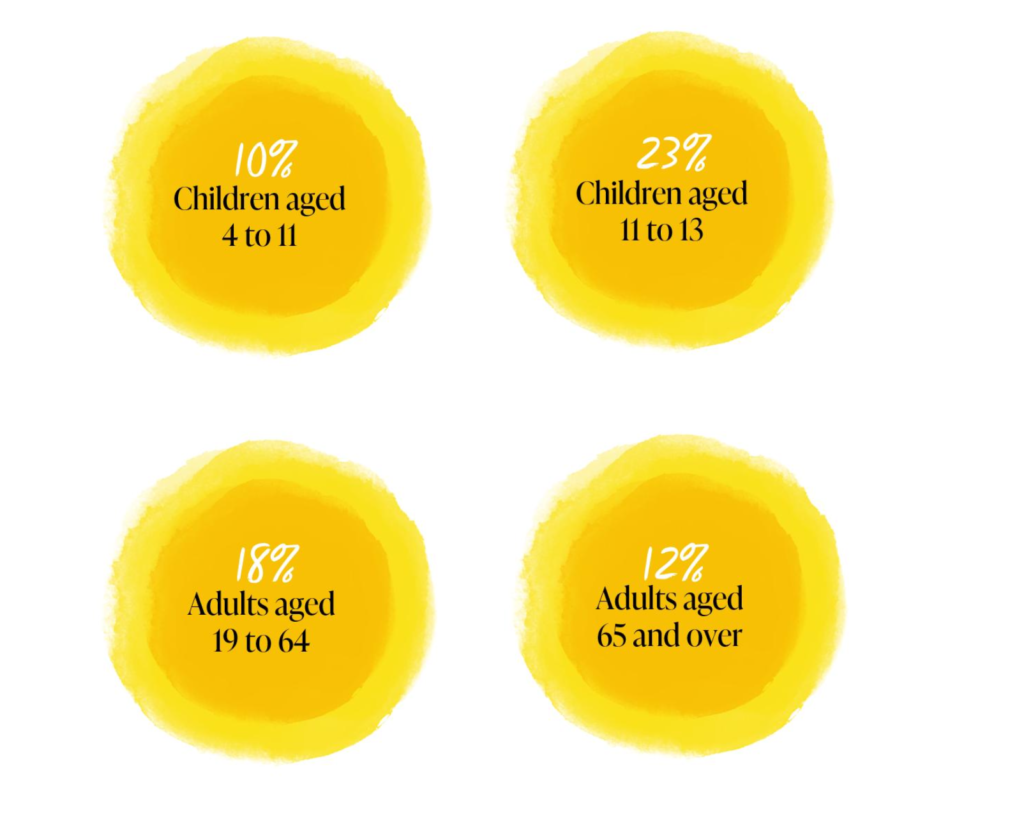
The seasonal picture is more striking. During winter, the proportion with low vitamin D status rises to 31 per cent among adults aged 19 to 64 and 36 per cent among children aged 11 to 18.
These figures define low vitamin D status as a blood concentration below 25nmol/L. The respiratory study looked at severe deficiency, defined as below 15nmol/L, and compared it with levels of at least 75nmol/L.
A closer look at supplementation
A separate University of Surrey clinical trial examined the effects of taking Viridian Nutrition’s Vitamin D3.
The research involved 135 women across high and low latitude locations. Participants received either 15 micrograms, equivalent to 600IU, of vitamin D3 daily or a placebo for 12 weeks.
Supplementation significantly increased vitamin D levels compared with placebo, regardless of location and exposure to sunlight. No one in the supplement group was deficient at the end of the study, although 18 per cent had been deficient at the beginning. This was a study of vitamin D levels, separate from the research into respiratory hospitalisations.
Find a format that suits you
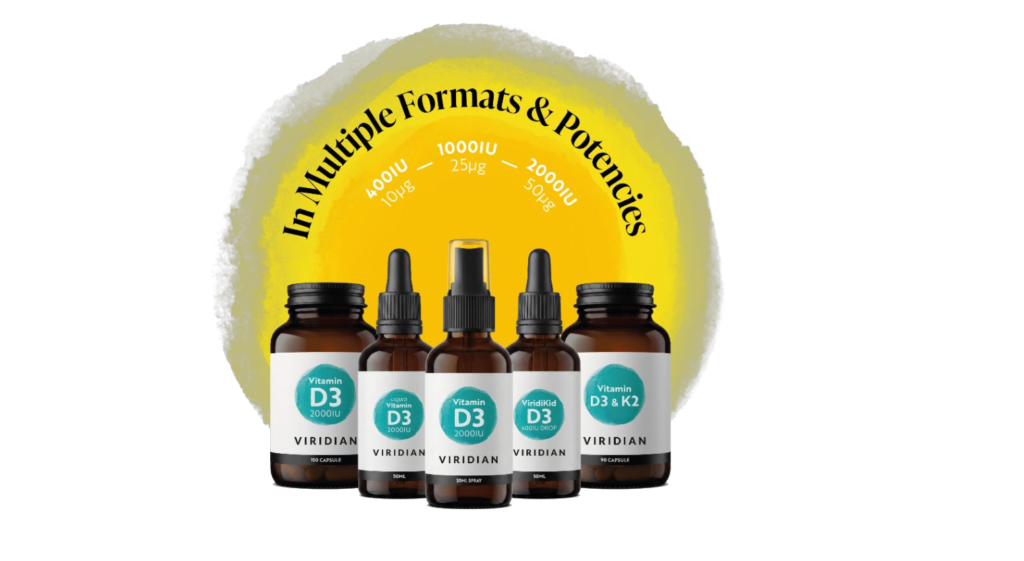
Viridian Nutrition offers a complete spectrum of 12 vitamin D products across a multiple sizes and formats, including daily maintenance and high potency capsules, liquids, drops and sprays, products for babies and children, and formulations combining vitamin D3 with vitamin K2 or calcium for all individual requirements. Prices range from £4.95 to £38.55.
Viridian’s vegan Vitamin D3 is sourced from lichen and is available in capsules, liquids and sprays, with options for adults, children and the whole family.
Every Veridian product is formulated by nutritionists using 100 per cent active ingredients with no unnecessary artificial fillers or binders.
Viridian products are formulated by nutritionists using 100 per cent active ingredients, with no unnecessary artificial fillers or binders.
Visit Nature’s Way Health Food Store in Ballyhackamore or find your local participating independent health store at Find a Health Store.